

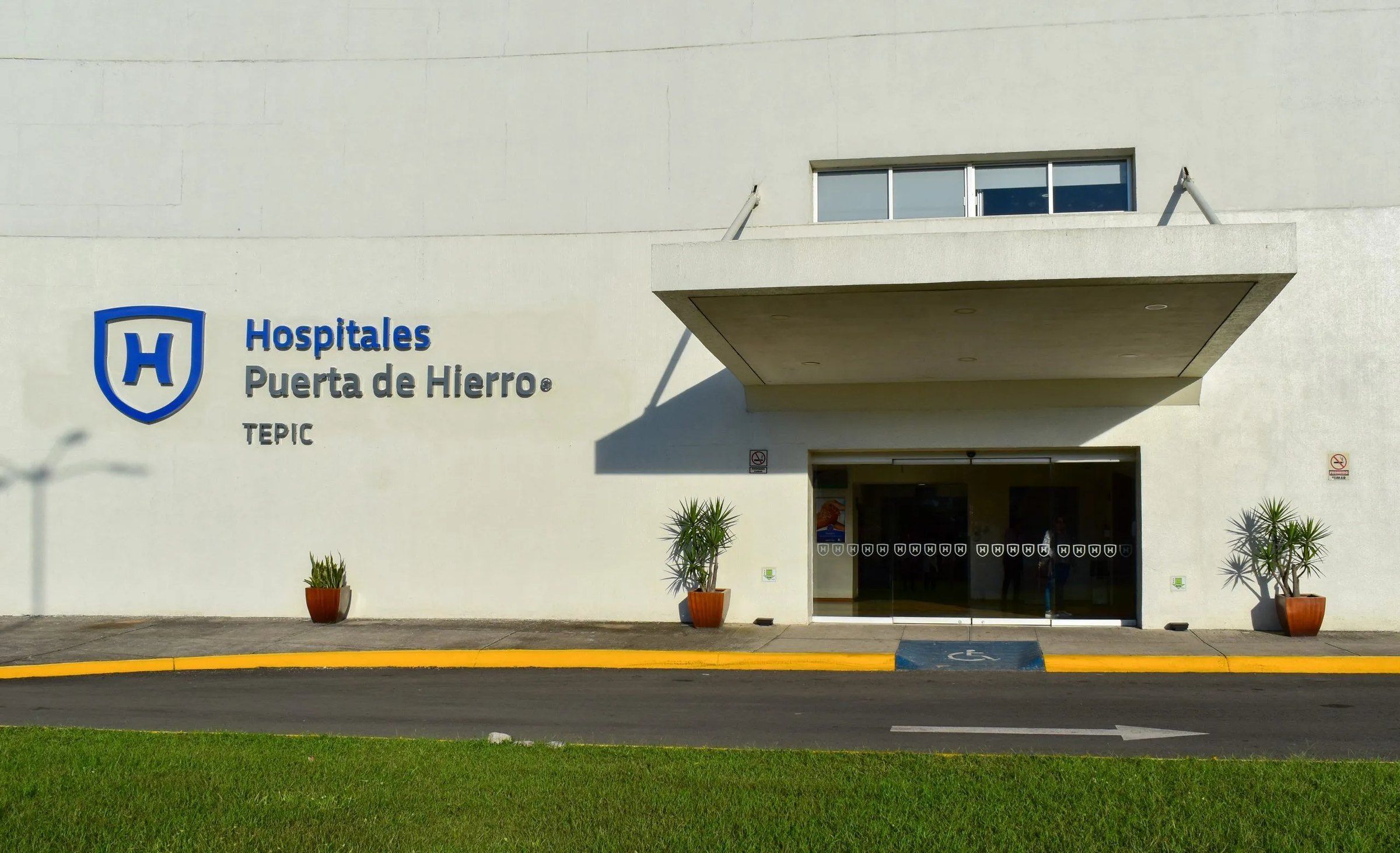
Tepic
Hospital Puerta de Hierro, office 407
+52 311 980 1034 · WhatsApp and calls
Dra. Fernanda Solís · Eye surgeon (ophthalmologist)
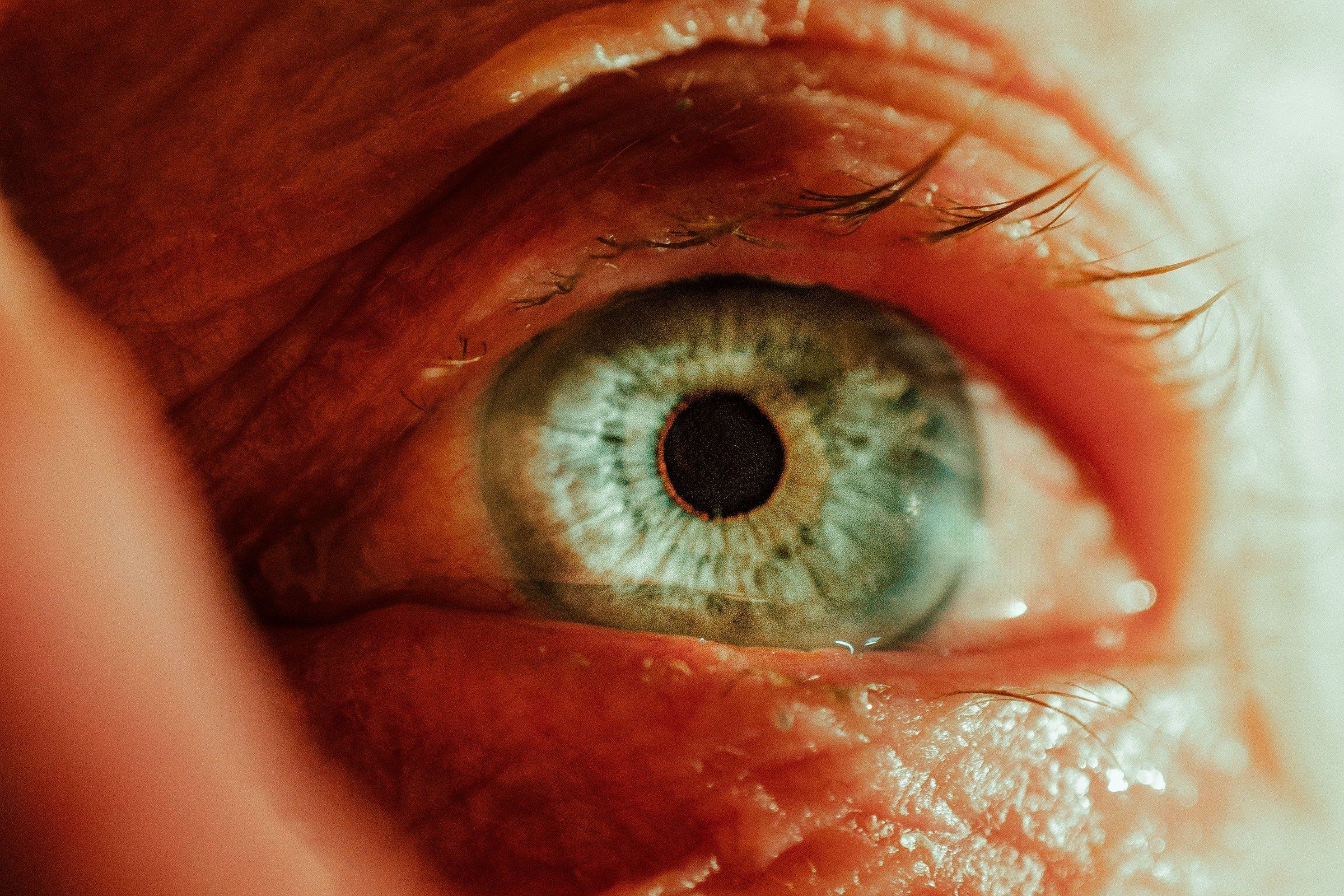
The eye's natural lens turns cloudy and everything looks blurry. It's treated with surgery: Dra. Fernanda Solís removes the cloudy lens and replaces it with a new one. Consultations and follow-up visits after surgery are in Tepic and La Peñita; Dra. Solís explains in your consultation where the operation takes place.
Choose your location and an AI assistant answers on WhatsApp, in English or Spanish.
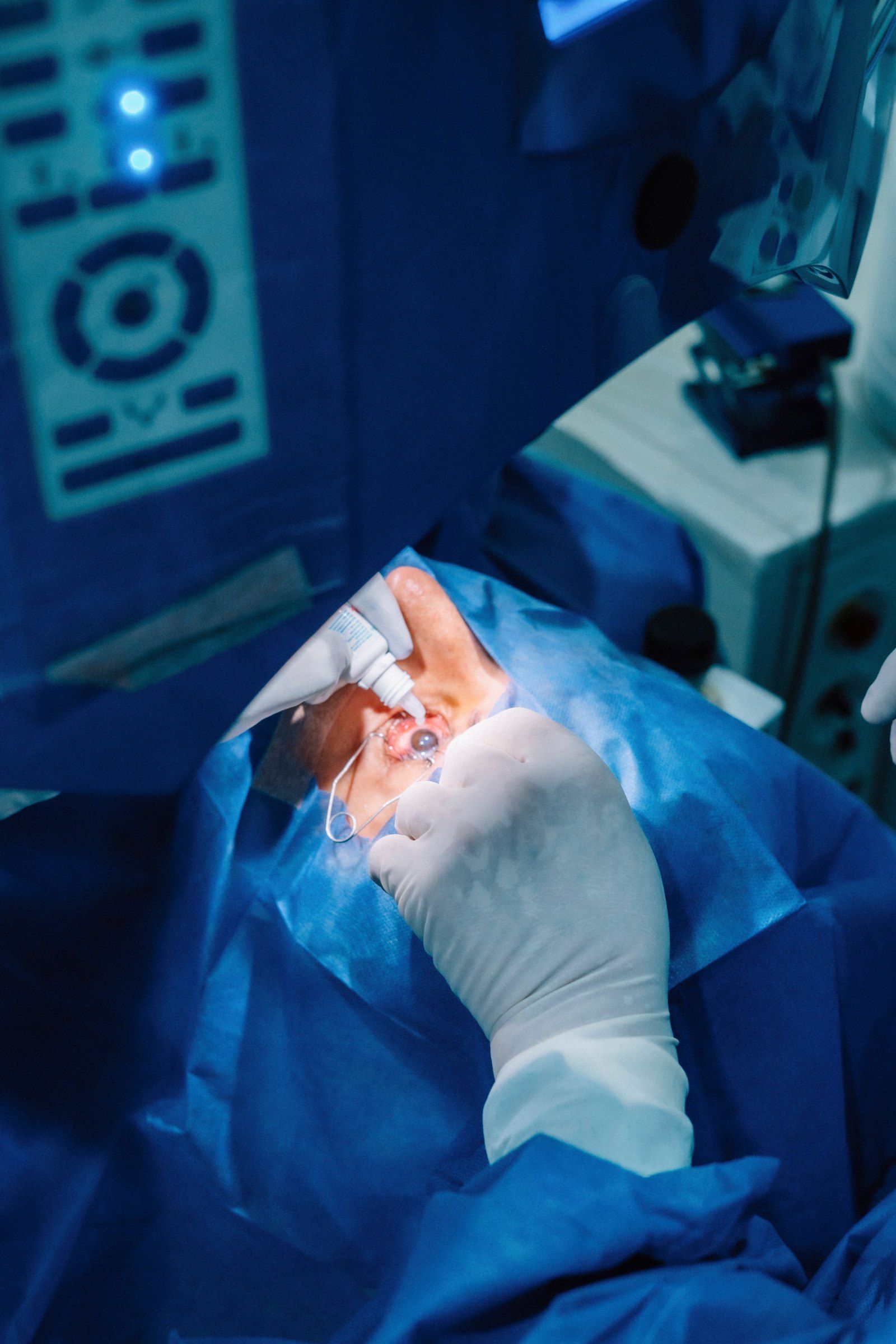
Inside the eye there is a natural lens. Over the years it slowly clouds over, like a fogged-up window. That’s a cataract. It’s very common after 60 and progresses little by little.
When the cataract gets in the way of reading, driving, watching TV or living your life. You don’t need to wait until it’s “ripe.” At your evaluation, Dra. Solís examines your eyes in full and decides with you whether it’s time to operate.
Hospital Puerta de Hierro, office 407
+52 311 980 1034 · WhatsApp and calls

UMER La Peñita
+52 322 308 0404 · WhatsApp and calls
Her consultation days change: message us on WhatsApp and we’ll give you the next available date.

Dra. Fernanda Solís
Eye surgeon (ophthalmologist) · Board-certified by the Mexican Board of Ophthalmology (Consejo Mexicano de Oftalmología) · Consultations in Spanish and English
Professional license 11984010 (Autonomous University of Nayarit) · Specialty license 13206835 (University of Guadalajara)
No. Glasses help for a while, but the only thing that removes it is surgery.
The cataract doesn’t come back. Sometimes, months or years later, the thin layer that holds the new lens turns cloudy; it’s treated with a laser at an office visit.
It depends on your eyes and the lens. We explain it at your evaluation; message us on WhatsApp.
Message us on WhatsApp or call the office closest to you.
Choose your location and an AI assistant answers on WhatsApp, in English or Spanish.
Had surgery and now have severe pain or loss of vision? It's an emergency. Call 911 or go to an emergency room: in Tepic, Hospital Puerta de Hierro; in La Peñita, Hospital Joya. Both are open 24 hours. Her offices don’t handle emergencies.